
What is KNX lighting control?

What is KNX lighting control?
.png)
Lighting control is a crucial aspect of smart building automation, and KNX (Konnex) is a widely used and versatile technology that enables efficient and flexible lighting control solutions. In this article, we will delve into the world of KNX lighting control and explore its features, capabilities, benefits, and applications. We will also examine the different types of lighting control, KNX lighting control devices, installation and configuration, interoperability with other automation protocols, and case studies of successful KNX lighting control installations. So, let's dive in and discover the power of KNX in revolutionizing lighting control in smart buildings. (Note: The focus of this article is specifically on lighting control with KNX technology.) Let's begin!
Definition of Lighting Control with KNX
Lighting control refers to the ability to manage and control the lighting systems in a building, and with the advancement of technology, smart home automation systems have become increasingly popular for efficient and convenient lighting control. One such system is the KNX Smart Home Automation System, which allows for seamless control and automation of lighting in residential, commercial, and industrial buildings. KNX, which stands for Konnex, is an open, global standard for building automation that enables interoperability between different devices and systems fr om various manufacturers. With KNX, lighting control becomes an integral part of a smart home automation system, providing enhanced comfort, energy efficiency, and security.
Importance of Lighting Control in Smart Building Automation
.png)
Lighting control plays a crucial role in smart building automation, as it not only enhances the aesthetics of a space but also contributes to energy savings and user comfort. With the integration of KNX Smart Home Automation System, lighting control becomes more advanced, flexible, and efficient. KNX enables automation of lighting based on various parameters such as time, occupancy, daylight, and user preferences, allowing for optimized energy usage and cost savings. Additionally, KNX lighting control provides convenience and comfort to users by enabling remote control, scheduling, and customization of lighting scenes according to their preferences. Moreover, with the integration of sensors and other devices, KNX lighting control can contribute to enhancing the security and safety of a building by providing features such as presence simulation, emergency lighting, and remote monitoring. Overall, the integration of KNX lighting control in smart building automation systems is essential for achieving efficient and sustainable lighting management.
Types of Lighting Control
Lighting control is a crucial aspect of smart building automation, and KNX offers various types of lighting control solutions to suit different requirements. These types of lighting control can be integrated into a KNX smart home automation system to enhance the functionality and efficiency of lighting control in buildings. Let's take a closer look at some of the common types of lighting control options that can be implemented using KNX technology:
Mains Dimming
This type of lighting control involves adjusting the brightness of the lights by varying the voltage supplied to the lighting circuit. KNX mains dimming solutions allow for smooth and continuous dimming of incandescent, halogen, and other dimmable light sources.
1-10V Dimming
This type of lighting control uses a control signal of 1-10 volts to dim the lights. KNX 1-10V dimming solutions are commonly used with LED drivers that support this control interface, allowing for dimming of LED lights in a KNX smart home automation system.
DALI (Digital Addressable Lighting Interface)
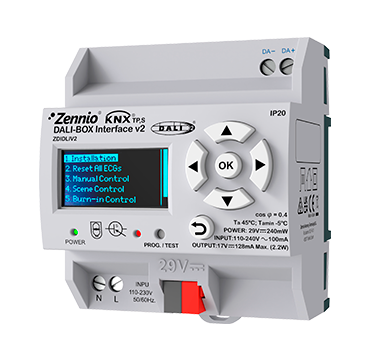
DALI is a widely used lighting control protocol that allows for individual control of each light fixture in a building. KNX DALI solutions enable seamless integration of DALI lighting control into a KNX smart home automation system, providing advanced control capabilities for a wide range of lighting fixtures.
KNX LED Drivers
These are specialized KNX devices designed to control LED lighting fixtures directly. KNX LED drivers offer precise control of LED lights, including dimming, color control, and other advanced lighting control features.
DMX (Digital Multiplex)
DMX is a commonly used protocol for controlling stage lighting and other special lighting applications. KNX DMX solutions enable integration of DMX lighting control into a KNX smart home automation system, allowing for creative lighting effects and advanced lighting control in specialized lighting applications.
By offering various types of lighting control options, KNX provides flexibility and versatility in designing smart home automation systems that meet specific lighting control requirements of different buildings and applications. KNX lighting control solutions can be customized to suit the needs of residential buildings, commercial buildings, industrial buildings, and other specialized lighting applications, making them a versatile choice for lighting control in smart building automation. In the next section, we will explore the different KNX lighting control devices that can be used to implement these types of lighting control in a KNX smart home automation system.
KNX Lighting Control Devices
.png)
KNX offers a wide range of devices specifically designed for lighting control in smart building automation. These devices are designed to work seamlessly with the KNX protocol, providing advanced control and management of lighting systems. Some of the key KNX lighting control devices include:
- KNX Power Supply: The KNX power supply is a crucial component in a KNX lighting control system, providing power to the KNX bus and enabling communication between different KNX devices. It ensures stable and reliable power distribution to all KNX devices, ensuring their proper functioning.
- KNX Switch Actuators: KNX switch actuators are used to control lighting circuits, allowing for on/off switching, dimming, and scene control. They can be installed in electrical distribution boards or directly behind the light switches, enabling local and remote control of lighting circuits.
- KNX Sensors: KNX sensors are used to detect various environmental parameters, such as motion, light level, temperature, and humidity, and provide feedback to the KNX system. This information can be used to trigger lighting scenes, adjust dimming levels, or activate other automation functions, making the lighting system more energy-efficient and user-friendly.
- KNX LED Drivers: KNX LED drivers are specifically designed for controlling LED lighting fixtures. They provide precise dimming control, color temperature adjustment, and other advanced lighting features, ensuring optimal performance and energy efficiency of LED lighting installations in a KNX system.
These KNX lighting control devices work together to create a comprehensive and intelligent lighting control system, allowing for precise control, automation, and energy management of lighting systems in smart buildings. The flexibility and scalability of KNX devices make them suitable for a wide range of lighting control applications, fr om residential buildings to commercial and industrial installations. In the next section, we will explore the installation and configuration of a KNX lighting control system.
Installing and Configuring a KNX Lighting Control System
Once you have decided on the type of lighting control system you want to implement in your smart building automation, the next step is to install and configure the KNX lighting control system. This involves several key steps that are essential to ensure proper functioning and performance of the system.
KNX Topology for Lighting Control
.png)
The KNX topology for lighting control typically involves a bus-based system, wh ere different KNX devices are connected to a common communication bus. The most common topology used for KNX lighting control is the line topology, wh ere devices are connected in a daisy-chain fashion along a single bus line. Other topologies, such as star or tree, can also be used depending on the specific requirements of the lighting control system.
KNX Lighting Control Devices Limitations
KNX lighting control devices, such as KNX switch actuators, sensors, and LED drivers, may have certain limitations that need to be considered during installation and configuration. These limitations may include maximum load capacities, communication distances, and compatibility with other KNX devices. It's important to carefully review the specifications and documentation of each KNX lighting control device to ensure that they are properly installed and configured according to their specific limitations.
KNX Cable for Lighting Control
The quality and type of KNX cable used for lighting control can greatly impact the performance and reliability of the system. KNX recommends using twisted-pair cables with a minimum of 1.5 square millimeters cross-section area for lighting control installations. It's crucial to follow the KNX wiring guidelines and ensure proper grounding and shielding to minimize interference and ensure reliable communication between KNX devices.
KNX Lighting Control System Control
.png)
The control of the KNX lighting control system can be achieved through various means, such as wall-mounted switches, touch panels, smartphones, tablets, or through a central control system. KNX provides a wide range of options for controlling the lighting system, including scene control, time-based control, presence detection, and manual control. Proper configuration of the KNX lighting control system is necessary to ensure seamless operation and user-friendly control of the lighting system.
Configuration Tools for KNX Lighting Control
Configuring a KNX lighting control system requires the use of specialized software tools provided by KNX manufacturers. These tools allow for programming and configuration of KNX devices, setting up lighting scenes, creating schedules, and defining automation logic. It's important to familiarize yourself with the specific configuration tools provided by the KNX manufacturers and follow the recommended procedures to properly configure the lighting control system.
Proper installation and configuration of the KNX lighting control system are essential to ensure optimal performance, energy efficiency, and user-friendly control of the lighting system in a smart building automation environment. Following the recommended guidelines, limitations, and using the appropriate tools and cables will result in a reliable and efficient KNX lighting control system. In the next section, we will explore the benefits of using KNX lighting control system in smart building automation.
V. Benefits of Using KNX Lighting Control System
The implementation of a KNX lighting control system in smart building automation offers a wide range of benefits. Here are some of the key advantages:
.png)
- Energy Efficiency: One of the primary benefits of using a KNX lighting control system is its ability to enhance energy efficiency. With KNX, lighting can be automated and optimized based on factors such as occupancy, daylight availability, and time of day. This results in significant energy savings by reducing unnecessary energy consumption and lowering electricity costs.
- Cost Savings: KNX lighting control system allows for better management and control of lighting, which can result in cost savings in terms of energy bills and maintenance. By automatically turning off lights in unoccupied areas or adjusting the intensity of lights based on actual needs, KNX lighting control helps reduce energy waste and lowers operating costs.
- Ease of Use: KNX lighting control systems are designed to be user-friendly and intuitive, making them easy to operate and manage. The system can be accessed and controlled remotely through various devices such as smartphones, tablets, or computers, providing convenience and flexibility for users to adjust lighting settings according to their preferences.
- Scalability: KNX lighting control systems are highly scalable, allowing for easy expansion or modification of the system as the needs of the building or space change over time. New lighting control devices can be added to the KNX network without the need for extensive rewiring or reprogramming, making it a flexible and adaptable solution for evolving building automation requirements.
- Flexibility: KNX lighting control system offers a high degree of flexibility in terms of customization and integration with other building automation systems. It can be easily integrated with other KNX devices such as sensors, switches, and actuators, as well as with other automation protocols or systems, allowing for seamless interoperability and interoperability with existing building automation infrastructure.
- Security: KNX lighting control system prioritizes security and data protection. KNX uses a dedicated communication bus for all devices, which is isolated fr om external networks, making it less vulnerable to cyber attacks. Additionally, KNX offers various security features such as authentication, encryption, and data integrity, ensuring the confidentiality and integrity of the lighting control system.
KNX Lighting Control and Other Automation Protocols
KNX lighting control system is a versatile and interoperable solution that can integrate seamlessly with other automation protocols. This allows for a comprehensive and unified control system for various aspects of a building's automation needs. Here are some key points to consider when comparing KNX lighting control with other automation protocols:

Comparison with Other Protocols
-
Zigbee: While Zigbee is a popular wireless communication protocol for smart home automation, it has limitations in terms of range and scalability. KNX, on the other hand, is a wired protocol that can cover longer distances and supports a larger number of devices, making it ideal for larger buildings and commercial applications.
-
Z-Wave: Z-Wave is another wireless protocol commonly used in smart home automation. However, it operates on a different frequency band than KNX, which can cause interference in some cases. KNX, being a wired protocol, does not suffer from such interference issues and provides a reliable and stable communication network.
-
Modbus: Modbus is a widely used protocol in industrial automation. While it is robust and efficient for industrial applications, it may not be as suitable for lighting control in smart homes or commercial buildings due to its lack of scalability and flexibility. KNX, on the other hand, offers a more flexible and scalable solution for lighting control, making it a better fit for these applications.
Interoperability with Other Protocols
One of the key advantages of KNX is its interoperability with other protocols. KNX gateways can be used to integrate KNX lighting control with other automation protocols, allowing for seamless communication and control across different systems. This makes KNX lighting control system a versatile choice that can be easily integrated into existing smart home or building automation setups, providing a unified control interface for the entire automation system.
Case Studies of Successful KNX Lighting Control Installations
Residential Building
In a residential building, KNX lighting control can provide significant benefits for homeowners. For example, homeowners can have customized lighting scenes for different activities such as reading, watching TV, or hosting guests. With KNX sensors, the lighting control system can also respond to occupancy, daylight, and time of day to optimize energy usage and enhance comfort. Additionally, remote access and control via mobile devices allow homeowners to conveniently manage their lighting system even when they are not at home. KNX lighting control systems can be integrated with other smart home technologies, such as security systems, audio/video systems, and motorized shading, to create a comprehensive and cohesive smart home automation solution.
Commercial Building

In a commercial building, KNX lighting control can be used to optimize energy usage, enhance comfort, and improve productivity. For example, in office spaces, KNX sensors can detect occupancy and adjust lighting levels accordingly, ensuring that lights are only on when needed. This can lead to significant energy savings and reduce operating costs. KNX lighting control systems can also be integrated with building management systems (BMS) for centralized control and monitoring of all building automation functions, including lighting, HVAC, access control, and more. This allows facility managers to have a holistic view of the building's performance and make data-driven decisions to improve energy efficiency and occupant comfort.
Industrial Building
In industrial buildings, KNX lighting control can play a crucial role in optimizing energy usage, improving safety, and enhancing operational efficiency. For example, in manufacturing facilities, KNX lighting control systems can be programmed to automatically turn on or off lights in specific zones based on occupancy or daylight levels, reducing energy waste and ensuring that lighting is only provided wh ere and when needed. KNX sensors can also detect motion or presence in hazardous areas and trigger alarms or other safety measures to protect workers. In addition, KNX lighting control systems can be integrated with other industrial automation systems, such as production monitoring or process control, to create a seamless and integrated building automation solution that improves overall operational efficiency.
Conclusion
In conclusion, KNX lighting control systems offer a powerful and versatile solution for smart building automation. From different types of lighting control options, including mains dimming, 1-10V dimming, DALI, KNX LED drivers, and DMX, to a wide range of KNX lighting control devices such as power supplies, switch actuators, sensors, and LED drivers, the KNX technology provides comprehensive capabilities for efficient and effective lighting control.
Installing and configuring a KNX lighting control system may require careful consideration of KNX topology, device limitations, cable requirements, and configuration tools. However, the benefits of using KNX lighting control systems are numerous, including energy efficiency, cost savings, ease of use, scalability, flexibility, and security.
KNX lighting control systems can also seamlessly integrate with other automation protocols, allowing for interoperability and compatibility with existing systems. Moreover, Zennio solutions offer a reliable and trusted option for KNX power supplies, providing efficient and robust performance.
Real-world case studies of successful KNX lighting control installations in residential, commercial, and industrial buildings showcase the practical implementation and effectiveness of KNX technology in various settings.
KNX lighting control systems are a viable and intelligent choice for smart building automation, offering advanced capabilities, integration options, and benefits for efficient and effective lighting control. As technology continues to advance, the future of KNX lighting control looks promising, with potential for further innovation and integration into smart homes and buildings. As such, KNX lighting control systems are a compelling solution for those looking to enhance their building automation with efficient and reliable lighting control capabilities. With their flexibility, scalability, and interoperability, KNX lighting control systems are an ideal choice for modern smart building automation needs. Whether it's a residential, commercial, or industrial building, KNX lighting control systems provide a comprehensive solution for effective lighting control, offering both convenience and energy efficiency. With the continued advancements in technology, the future of KNX lighting control is bright, promising further innovation and integration into smart homes and buildings worldwide. The adoption of KNX lighting control systems is likely to continue growing as more people recognize their benefits and embrace the power of smart building automation. So, whether you are designing a new building or renovating an existing one, considering KNX lighting control systems can be a smart choice for efficient, effective, and future-proof lighting control.