
How does KNX work?
How does KNX work?
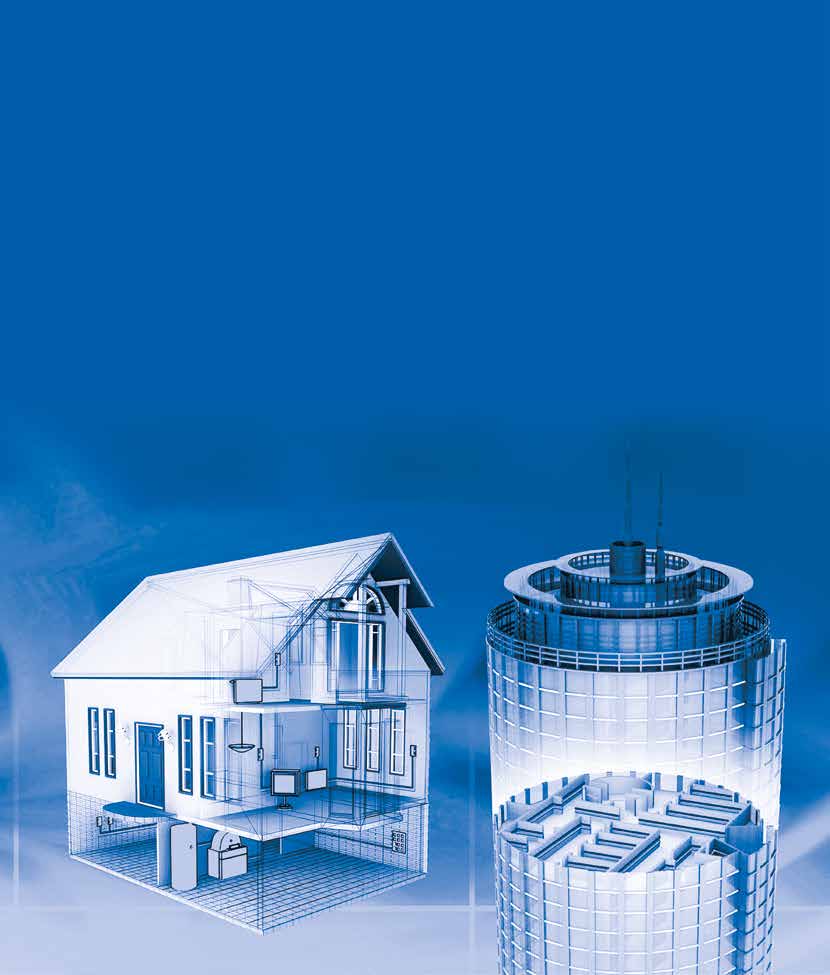
If you're interested in home automation, you may have heard of KNX. KNX is a home automation system that is widely used in Europe and is becoming increasingly popular in other parts of the world. KNX is designed to integrate different devices and systems in your home, so you can control everything fr om one place.
In this article, we'll explain how KNX works and what its benefits are. We'll also look at some of the applications of KNX, as well as how to install and configure a KNX system.
Definition of KNX
KNX is an abbreviation for Konnex, which is the German term for "connection." It is a home automation system that allows you to control various devices and systems in your home from a single point of control.
Importance of KNX in Smart Building Automation
The importance of KNX lies in its ability to connect and integrate various systems in your home. Instead of having multiple systems with different controls, KNX allows you to control everything from one interface. This can make your life much easier, as you don't have to worry about switching between different systems to control your home.
Talking the Same Language: KNX Communication Protocol
KNX communication protocol is the backbone of the KNX smart home automation system. The protocol defines how devices communicate with each other to exchange information and commands. Here are some important points to know about the KNX communication protocol:
-
Standardization: KNX communication protocol is an international standard for home and building automation. The standardization ensures that KNX devices from different manufacturers can communicate with each other seamlessly.
-
Two-way Communication: KNX devices communicate with each other in a bidirectional way. This means that every device on the network can send and receive information and commands.
-
Multicast Communication: KNX uses multicast communication to distribute information and commands. This means that every device receives the same information or command at the same time.
-
Priority Levels: KNX devices use priority levels to manage information and commands. Devices with higher priority levels get access to the network first.
-
Addressing: Each KNX device has a unique address that identifies it on the network. This allows devices to communicate with each other directly without interference from other devices.
-
Scalability: KNX communication protocol allows for the easy expansion of a smart home automation system. Users can add new devices to the network without affecting the existing devices' functionality.
-
Interoperability: KNX communication protocol supports interoperability between devices from different manufacturers. This means that users can mix and match devices from different brands and still have them work seamlessly together.
Overall, the KNX communication protocol ensures that all KNX devices can talk the same language, regardless of the manufacturer. This allows for seamless communication and interoperability between devices, making KNX a popular choice for smart home and building automation systems.
Professional Installation of KNX System
Components of a KNX Installation
When it comes to installing a KNX system, there are a number of components that need to be considered. These components include:
- Bus system: This is the backbone of the KNX system, consisting of cables or wireless transceivers that connect all of the devices together.
- Devices: These include switches, sensors, actuators, and other hardware that are connected to the bus system.
- Power supply: This provides power to the KNX system, typically at a voltage of 24V DC.
KNX Installation Requirements
To ensure a successful KNX installation, there are several requirements that need to be met:
- Proper wiring: All devices must be wired correctly according to KNX guidelines, using only approved cables and connectors.
- Configuration: Each device must be properly configured to work with the KNX system.
- Testing: After installation, the system must be thoroughly tested to ensure that all devices are working properly and communicating with each other.
Professional KNX Installers
Given the complexity of KNX installation, it's important to work with a professional installer who has experience with KNX systems. A professional installer can help ensure that the system is installed correctly and that all devices are working properly. They can also troubleshoot any issues that may arise during or after installation.
Communication via One Language: KNX Data Transmission
KNX uses a standardized data transmission protocol to ensure seamless communication between devices. Here are the components of KNX data transmission:
KNX Data Types
-
Boolean data: either on or off, true or false
-
8-bit data: a range of values from 0 to 255
-
16-bit data: a range of values from 0 to 65535
-
Real data: floating-point numbers with a range of -3.4E+38 to +3.4E+38
-
Time data: used to specify time and date
KNX Data Transmission Modes
-
Unicast: a direct communication between two devices
-
Multicast: a communication to multiple devices simultaneously
-
Broadcast: a communication to all devices on the KNX bus
KNX Group Addresses
-
Each KNX device is assigned a unique address
-
Group addresses are used to specify a group of devices that should receive a particular message
-
Group addresses range from 0 to 31 for system messages and 1 to 65535 for user messages
KNX Isn't Complicated for Professionals: KNX Programming
KNX programming is a crucial step in the installation and configuration of a KNX system. Once the KNX devices are installed, the system must be programmed to allow communication between the various devices. This programming process can seem complicated, but with the right tools and knowledge, it can be done efficiently.
Basics of KNX Programming
The basics of KNX programming involve defining group addresses, setting up communication between devices, and programming the logic of the system. Here are some of the fundamental concepts of KNX programming:
- Group Addresses: Each KNX device has a unique group address that identifies it on the KNX bus. Group addresses are used to send and receive information between devices. It is essential to assign the right group addresses to devices during the programming process.
- Communication Objects: Communication objects define the type of information that can be sent or received between devices. There are many communication object types available, including binary, dimming, and temperature.
- Logical Operations: Logical operations are used to create the logic of the KNX system. For example, you can set up a rule that turns on the lights when someone enters the room.
KNX Programming Tools
There are various tools available to help with KNX programming. The most common tool is the ETS (Engineering Tool Software), which is used to configure and program KNX devices. The ETS software allows installers to create, modify, and download KNX device configurations.
KNX Programming for Different Applications
KNX programming is versatile and can be used for various applications, from simple home automation systems to complex building management systems. The programming process is tailored to the specific needs of the application, and it can be customized to suit the preferences of the end-user.
Winning Customers for Life: Advantages of KNX
KNX Reliability and Flexibility
The KNX system is known for its high level of reliability and flexibility, which is important for both residential and commercial applications. KNX can support multiple types of devices and systems, and it allows for easy integration with other building automation systems.
KNX Interoperability
One of the main advantages of KNX is its interoperability. KNX is an open standard protocol, which means that devices from different manufacturers can be used in the same installation, allowing for more flexibility and cost-effectiveness.
KNX Energy Efficiency
KNX provides advanced energy management features that allow for efficient use of energy in buildings. This can lead to significant cost savings and a more sustainable building. KNX sensors and actuators can be used to control lighting, heating, ventilation, and air conditioning (HVAC) systems, which are some of the biggest energy consumers in a building.
KNX Cost-Efficiency
KNX offers cost-efficiency benefits in terms of installation, maintenance, and operation. With its interoperability, it allows for the use of devices from multiple manufacturers, which can lower costs compared to proprietary systems. Additionally, KNX's ability to integrate with other building automation systems can also help to reduce costs and streamline operations.
Overall, the advantages of KNX make it a popular choice for building automation systems, and its flexibility and cost-effectiveness can provide significant benefits for both residential and commercial applications.
What Does That Mean in Practice: KNX Applications
When it comes to practical applications of KNX, the possibilities are numerous. Some of the most common applications include:
KNX Lighting Control
One of the most popular uses of KNX is for lighting control. KNX allows for individual control of lights in a room, as well as the ability to control multiple lights together. It also enables the creation of lighting scenes, wh ere different lighting settings can be stored and recalled as needed. This can create a range of moods and atmospheres for a variety of settings, from homes to offices to public spaces.
KNX HVAC Control
Another important application of KNX is in HVAC (Heating, Ventilation, and Air Conditioning) control. With KNX, temperature, humidity, and air quality can be monitored and adjusted automatically. This leads to more efficient use of energy and improved comfort levels for building occupants.
KNX Security and Safety Systems
KNX can also be used to control security and safety systems, such as door locks, alarms, and cameras. It allows for seamless integration with other systems in a building, such as lighting and HVAC, to create a comprehensive smart building solution. KNX can also send notifications and alerts to building occupants in the event of an emergency or security breach.
Overall, KNX offers a wide range of practical applications for a variety of settings. Its flexibility and interoperability make it a popular choice for building automation systems across the globe.
Conclusion
KNX is a versatile communication protocol that allows for the integration of various smart devices in building automation systems. Its interoperability, flexibility, and cost-efficiency make it a popular choice for professionals in the industry. In this article, we have covered the basics of how KNX works and its advantages.
Overall, KNX is an efficient and reliable solution for smart building automation, providing users with greater control and energy efficiency. As the technology continues to advance, we can expect to see further developments and applications of KNX in the field.
In conclusion, KNX is a powerful tool that can help professionals create smart building automation solutions tailored to their clients' needs. With its ease of use, versatility, and wide range of applications, KNX is a valuable asset in the field of building automation.
How does KNX work?
If you're interested in home automation, you may have heard of KNX. KNX is a home automation system that is widely used in Europe and is becoming increasingly popular in other parts of the world. KNX is designed to integrate different devices and systems in your home, so you can control everything fr om one place.
In this article, we'll explain how KNX works and what its benefits are. We'll also look at some of the applications of KNX, as well as how to install and configure a KNX system.
Definition of KNX
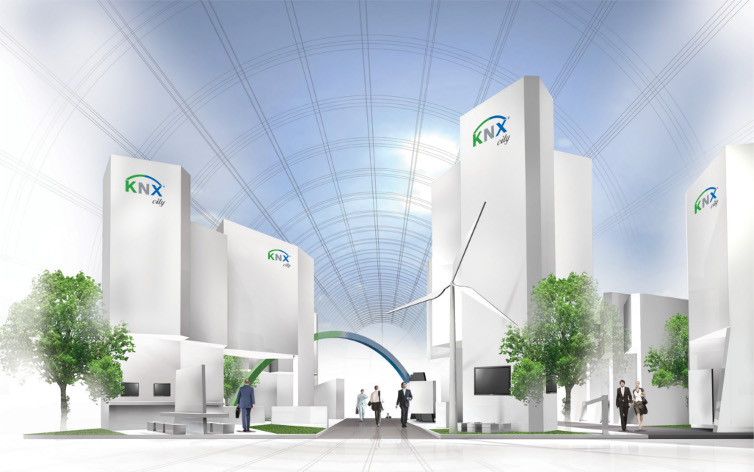
KNX is an abbreviation for Konnex, which is the German term for "connection." It is a home automation system that allows you to control various devices and systems in your home from a single point of control.
Importance of KNX in Smart Building Automation
The importance of KNX lies in its ability to connect and integrate various systems in your home. Instead of having multiple systems with different controls, KNX allows you to control everything from one interface. This can make your life much easier, as you don't have to worry about switching between different systems to control your home.
Talking the Same Language: KNX Communication Protocol
.png)
KNX communication protocol is the backbone of the KNX smart home automation system. The protocol defines how devices communicate with each other to exchange information and commands. Here are some important points to know about the KNX communication protocol:
-
Standardization: KNX communication protocol is an international standard for home and building automation. The standardization ensures that KNX devices from different manufacturers can communicate with each other seamlessly.
-
Two-way Communication: KNX devices communicate with each other in a bidirectional way. This means that every device on the network can send and receive information and commands.
-
Multicast Communication: KNX uses multicast communication to distribute information and commands. This means that every device receives the same information or command at the same time.
-
Priority Levels: KNX devices use priority levels to manage information and commands. Devices with higher priority levels get access to the network first.
-
Addressing: Each KNX device has a unique address that identifies it on the network. This allows devices to communicate with each other directly without interference from other devices.
-
Scalability: KNX communication protocol allows for the easy expansion of a smart home automation system. Users can add new devices to the network without affecting the existing devices' functionality.
-
Interoperability: KNX communication protocol supports interoperability between devices from different manufacturers. This means that users can mix and match devices from different brands and still have them work seamlessly together.
Overall, the KNX communication protocol ensures that all KNX devices can talk the same language, regardless of the manufacturer. This allows for seamless communication and interoperability between devices, making KNX a popular choice for smart home and building automation systems.
Professional Installation of KNX System
.png)
Components of a KNX Installation
When it comes to installing a KNX system, there are a number of components that need to be considered. These components include:
- Bus system: This is the backbone of the KNX system, consisting of cables or wireless transceivers that connect all of the devices together.
- Devices: These include switches, sensors, actuators, and other hardware that are connected to the bus system.
- Power supply: This provides power to the KNX system, typically at a voltage of 24V DC.
KNX Installation Requirements
To ensure a successful KNX installation, there are several requirements that need to be met:
- Proper wiring: All devices must be wired correctly according to KNX guidelines, using only approved cables and connectors.
- Configuration: Each device must be properly configured to work with the KNX system.
- Testing: After installation, the system must be thoroughly tested to ensure that all devices are working properly and communicating with each other.
Professional KNX Installers
Given the complexity of KNX installation, it's important to work with a professional installer who has experience with KNX systems. A professional installer can help ensure that the system is installed correctly and that all devices are working properly. They can also troubleshoot any issues that may arise during or after installation.
Communication via One Language: KNX Data Transmission
KNX uses a standardized data transmission protocol to ensure seamless communication between devices. Here are the components of KNX data transmission:
KNX Data Types
.png)
Telegram structure in KNX TP
-
Boolean data: either on or off, true or false
-
8-bit data: a range of values from 0 to 255
-
16-bit data: a range of values from 0 to 65535
-
Real data: floating-point numbers with a range of -3.4E+38 to +3.4E+38
-
Time data: used to specify time and date
KNX Data Transmission Modes
-
Unicast: a direct communication between two devices
-
Multicast: a communication to multiple devices simultaneously
-
Broadcast: a communication to all devices on the KNX bus
KNX Group Addresses
-
Each KNX device is assigned a unique address
-
Group addresses are used to specify a group of devices that should receive a particular message
-
Group addresses range from 0 to 31 for system messages and 1 to 65535 for user messages
KNX Isn't Complicated for Professionals: KNX Programming
KNX programming is a crucial step in the installation and configuration of a KNX system. Once the KNX devices are installed, the system must be programmed to allow communication between the various devices. This programming process can seem complicated, but with the right tools and knowledge, it can be done efficiently.
Basics of KNX Programming
.png)
Various windows in ETS
The basics of KNX programming involve defining group addresses, setting up communication between devices, and programming the logic of the system. Here are some of the fundamental concepts of KNX programming:
- Group Addresses: Each KNX device has a unique group address that identifies it on the KNX bus. Group addresses are used to send and receive information between devices. It is essential to assign the right group addresses to devices during the programming process.
- Communication Objects: Communication objects define the type of information that can be sent or received between devices. There are many communication object types available, including binary, dimming, and temperature.
- Logical Operations: Logical operations are used to create the logic of the KNX system. For example, you can set up a rule that turns on the lights when someone enters the room.
KNX Programming Tools
There are various tools available to help with KNX programming. The most common tool is the ETS (Engineering Tool Software), which is used to configure and program KNX devices. The ETS software allows installers to create, modify, and download KNX device configurations.
KNX Programming for Different Applications
KNX programming is versatile and can be used for various applications, from simple home automation systems to complex building management systems. The programming process is tailored to the specific needs of the application, and it can be customized to suit the preferences of the end-user.
Winning Customers for Life: Advantages of KNX
.png)
KNX Reliability and Flexibility
The KNX system is known for its high level of reliability and flexibility, which is important for both residential and commercial applications. KNX can support multiple types of devices and systems, and it allows for easy integration with other building automation systems.
KNX Interoperability
One of the main advantages of KNX is its interoperability. KNX is an open standard protocol, which means that devices from different manufacturers can be used in the same installation, allowing for more flexibility and cost-effectiveness.
KNX Energy Efficiency
KNX provides advanced energy management features that allow for efficient use of energy in buildings. This can lead to significant cost savings and a more sustainable building. KNX sensors and actuators can be used to control lighting, heating, ventilation, and air conditioning (HVAC) systems, which are some of the biggest energy consumers in a building.
KNX Cost-Efficiency
KNX offers cost-efficiency benefits in terms of installation, maintenance, and operation. With its interoperability, it allows for the use of devices from multiple manufacturers, which can lower costs compared to proprietary systems. Additionally, KNX's ability to integrate with other building automation systems can also help to reduce costs and streamline operations.
Overall, the advantages of KNX make it a popular choice for building automation systems, and its flexibility and cost-effectiveness can provide significant benefits for both residential and commercial applications.
What Does That Mean in Practice: KNX Applications
When it comes to practical applications of KNX, the possibilities are numerous. Some of the most common applications include:
KNX Lighting Control
.png)
One of the most popular uses of KNX is for lighting control. KNX allows for individual control of lights in a room, as well as the ability to control multiple lights together. It also enables the creation of lighting scenes, wh ere different lighting settings can be stored and recalled as needed. This can create a range of moods and atmospheres for a variety of settings, from homes to offices to public spaces.
KNX HVAC Control
.png)
Another important application of KNX is in HVAC (Heating, Ventilation, and Air Conditioning) control. With KNX, temperature, humidity, and air quality can be monitored and adjusted automatically. This leads to more efficient use of energy and improved comfort levels for building occupants.
KNX Security and Safety Systems
KNX can also be used to control security and safety systems, such as door locks, alarms, and cameras. It allows for seamless integration with other systems in a building, such as lighting and HVAC, to create a comprehensive smart building solution. KNX can also send notifications and alerts to building occupants in the event of an emergency or security breach.
Overall, KNX offers a wide range of practical applications for a variety of settings. Its flexibility and interoperability make it a popular choice for building automation systems across the globe.
.png)
Conclusion
KNX is a versatile communication protocol that allows for the integration of various smart devices in building automation systems. Its interoperability, flexibility, and cost-efficiency make it a popular choice for professionals in the industry. In this article, we have covered the basics of how KNX works and its advantages.
Overall, KNX is an efficient and reliable solution for smart building automation, providing users with greater control and energy efficiency. As the technology continues to advance, we can expect to see further developments and applications of KNX in the field.
In conclusion, KNX is a powerful tool that can help professionals create smart building automation solutions tailored to their clients' needs. With its ease of use, versatility, and wide range of applications, KNX is a valuable asset in the field of building automation.